Brize NortonPrimary School

Writing
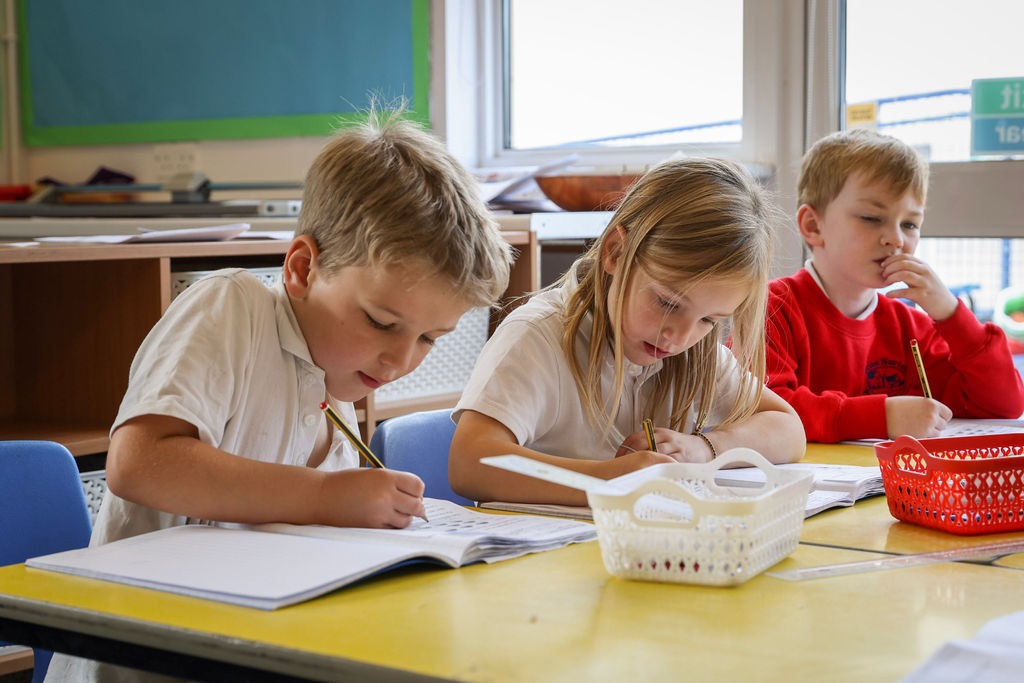
At Brize Norton Primary School, writing is taught through a consistent, evidence‑informed framework that ensures every child develops the knowledge, skills and confidence to become an effective, independent writer. As stated in our policy, “writing is a fundamental skill that enables pupils to communicate, express ideas, and participate fully in school life and beyond.” Our approach begins with strong foundations in the Early Years, where children develop early language, vocabulary, phonics, and fine‑motor skills—essential building blocks for later writing success.
Across the school, teaching is centred around high‑quality texts, including fiction, non‑fiction, poetry and teacher‑produced models. Children study rich and challenging texts, which “provide an excellent model for their own writing” and help them access the types of literature they will encounter at KS3. These texts inspire writing across a wide range of genres, from narrative and explanation to persuasion and report writing.
Daily writing lessons in KS1 and KS2 include short dictation, handwriting practice, grammar teaching and opportunities for independent writing. Dictation supports spelling, listening skills and accurate transcription, while regular handwriting sessions ensure children develop fluent, legible and confident writing. As the policy states, “a focus on neat handwriting… and high expectations in all books is the norm.”
Children learn through a clear progression from modelled and guided writing to independent work. Teachers use shared writing, scaffolds, drama, discussion and text analysis to help pupils understand structure, purpose and audience. Editing is an integral part of the process, with pupils using “critical friend” feedback and purple‑pen editing to refine and improve their work.
Our curriculum is carefully sequenced so pupils revisit and deepen learning over time. Writing is embedded across all subjects, helping children apply skills in meaningful contexts. We ensure inclusive provision through targeted support, early intervention and high‑quality resources.
Above all, we want every child to see themselves as a confident, successful writer. We celebrate achievement, encourage creativity and provide purposeful opportunities to write for real audiences. Through this approach, pupils develop the spoken language, reading and writing skills they need to thrive—both in school and in later life.
Documents